Thursday, 20 August 2026

Moving Floor Silos, Air Cargo Systems, and Aluminum Landing Legs: A Practical Overview

Introduction

Trailer and equipment specifications rarely make headlines, yet they decide how much a fleet earns per trip. A silo that unloads slowly, a trailer floor unsuited to air freight pallets, or landing legs that add unnecessary weight all chip away at payload and turnaround time in ways that are easy to overlook until the invoices are compared at year end. This piece looks at three components that quietly affect that bottom line.

Storage Silos with Moving Floors

Plants that receive RDF, biomass, or coal in bulk, such as cement works, lime plants, and waste-to-energy incinerators, generally take that material in through semi-trailers fitted with moving floors. The trailer's floor and the receiving silo's floor are synchronised in speed, so material transfers directly from one moving floor to the other rather than being tipped or shovelled. This setup, known as storage silos with moving floors, can unload up to roughly 90 cubic metres of material in around fifteen minutes, provided both floors are running at matched speeds. Some installations add a Redler, a drag-chain conveyor, at the base of the silo to meter material out at a controlled rate, which helps plants that need a steady, dosed feed rather than a sudden bulk drop.
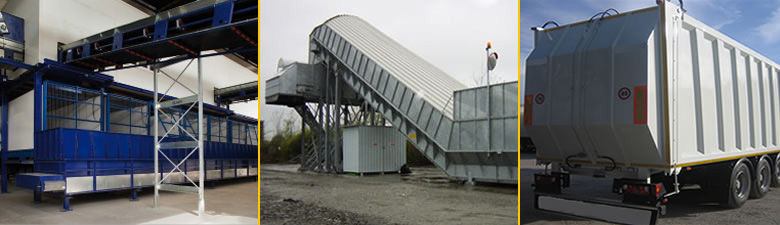

For waste management and recycling operators, the practical benefit is fewer bottlenecks at the reception point. A synchronised moving-floor transfer avoids the queuing that builds up around tipping bays, and it reduces dust and spillage compared with dumping loose material.

Air Cargo Systems for Trailers

Air freight has its own handling logic. Unit load devices and pallets need to move on a low-friction surface so ground crews can slide them rather than lift them. A pneumatic roller bed built into a trailer floor is the basis of most air cargo systems for trailers, letting ULDs and pallets transfer between aircraft, ground equipment, and trailer with minimal manual effort. For airlines, freight handlers, and the trailer builders supplying them, this matters because turnaround time at the aircraft side is tightly scheduled, and a floor system that speeds up pallet transfer has a direct effect on how quickly a hold can be cleared or filled. 

Aluminum Landing Legs for Trailers

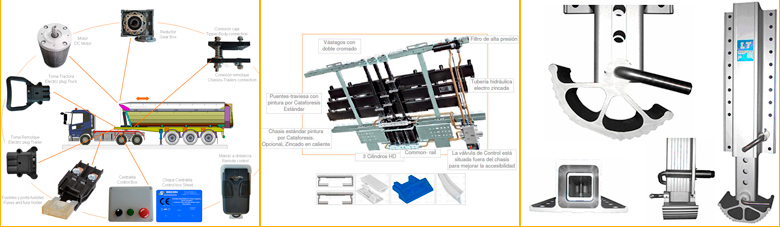
Landing legs are one of the few trailer components where the material choice has a measurable effect on payload. Aluminum landing legs ForTrailers weigh noticeably less than the steel legs they replace, and independent testing by APPLUS has confirmed their strength holds up under load despite the weight saving. A typical pair rated for a static load of around 30 tonnes weighs roughly 39 to 41 kilograms, depending on the telescopic leg length chosen. For fleet owners and procurement managers ordering at scale, that saved weight adds up across a fleet, translating into either extra payload per trip or a small reduction in fuel burn.


Conclusion

Each of these components solves a narrow, specific problem: bulk material moves faster between synchronised floors, pallets clear the aircraft side faster on a roller bed, and a lighter leg design frees up payload without giving up load capacity. None of them is dramatic on its own, but together they explain why equipment specification deserves the same scrutiny as route planning or fuel contracts.

Wednesday, 30 July 2025

Modern Solutions for Enhancing Efficiency in Waste Handling

Good management of waste is essential for industrial activity and city sustainability. Contemporary technology has presented superior systems to maximize the process of collection, transportation, and disposal. Waste transfer stations act as intermediate centralization points that improve the costs of long-distance transportation and effectively improve efficiency. This blog will share details about famous modern solutions in waste handling.


Maximizing the Waste Collections Using Transfer Stations

Transfer Stations for Waste are essential hubs where waste is temporarily held before being transported to landfills or treatment facilities. They minimize the time of commuting, the amount of fuel, and ensure better efficiency. They help in streamlining freight, thereby making long-haul transportation environmental-friendly.

  • Tarp Systems: Protection on the Move

Exposed waste while in transit may result in pollution and safety accidents. Tarp Systems for Trailers provide a reliable solution by securely covering waste loads. These automatic or manual systems avoid spillage of materials, minimize the number of emitted odours, and satisfy the transportation laws.

  • Automation of Trailer Loading

Automatic Trailer Loading systems have revolutionized how waste is loaded. These systems promote even filling of trailers, speed and safety by eliminating much time-consuming manual intervention. The technology reduces the cost of labour and maximizes the payloads.

These systems provide better use of dock space and minimize the turnaround time for trucks. They can be integrated with robotic arms, conveyors, and/or shuttles depending on the load and the warehouse layout.

  • The Integrated Truck Loading Systems

Automatic Truck Loading Systems work seamlessly with transfer stations to facilitate quick and efficient truck loading. Conveyors or pushers are used to haul waste directly into the trucks in these systems, thereby cutting down time and enhancing productivity in the waste handling activities.

Few Final Words

The incorporation of automation and worker safety systems in the waste processing plans contributes significantly to efficiency and environmental adherence. Future waste will be clean and intelligent by adopting modern technologies.

 Source: https://thestarbiznews.com/modern-solutions-for-enhancing-efficiency-in-waste-handling/

Monday, 2 September 2024

Revolutionizing the Logistics Industry Automatic Truck Loading Systems

With the advent of technology and automation, the logistics industry has witnessed a significant transformation in recent years. One of the latest innovations that have revolutionized the way goods are loaded onto trucks is the Automatic Truck Loading System (ATLS). In this article, we will explore the key benefits of using ATLS, how it works, and why it is becoming increasingly popular among logistics companies.

What are Automatic Truck Loading Systems?

Automatic Truck Loading Systems are robotic machines designed to load goods onto trucks without the need for manual labor. These systems utilize advanced technology such as sensors, cameras, and algorithms to accurately and efficiently load pallets or containers onto trucks. By automating the loading process, ATLS can help reduce labor costs, increase loading speed, and improve overall efficiency in the logistics operations.


How do Automatic Truck Loading Systems Work?

ATLS typically consists of a conveyor belt system that transports pallets or containers from the warehouse to the loading area. Once the pallets reach the loading area, robotic arms equipped with suction cups or grippers pick up the pallets and carefully place them onto the truck. The entire loading process is controlled by a central computer system that coordinates the movement of the robotic arms and ensures that the pallets are loaded in the correct sequence and position.

Benefits of Automatic Truck Loading Systems

Increased Efficiency: ATLS can significantly reduce loading times and improve overall operational efficiency by eliminating manual errors and streamlining the loading process.

Cost Savings: By reducing the need for manual labor, ATLS can help companies save on labor costs and increase productivity.

Improved Safety: Automated loading systems help create a safer working environment by eliminating the risks associated with manual handling of heavy pallets.

Better Inventory Management: ATLS can help companies maintain accurate inventory records by tracking the movement of goods during the loading process.

Enhanced Customer Satisfaction: Faster loading times and accurate delivery schedules can lead to improved customer satisfaction and loyalty.


Why are Automatic Truck Loading Systems Gaining Popularity?

The increasing demand for faster and more efficient logistics operations has driven the adoption of ATLS among logistics companies worldwide. With the rise of e-commerce and just-in-time delivery models, there is a growing need for automated solutions that can handle high volumes of goods with precision and speed. ATLS offer a cost-effective and reliable solution to meet these demands while improving overall operational efficiency.

In conclusion, Automatic Truck Loading Systems are revolutionizing the logistics industry by offering a more efficient, cost-effective, and safe solution for loading goods onto trucks. With their advanced technology and automation capabilities, ATLS are becoming an indispensable tool for logistics companies looking to stay competitive in the ever-evolving market. By investing in ATLS, companies can streamline their operations, reduce costs, and improve customer satisfaction - making it a win-win solution for all stakeholders involved.

Wednesday, 31 July 2024

Revolutionizing Transportation Efficiency Roller Bed Equipment for Trucks/Trailers

 Are you looking to streamline your transportation operations and maximize efficiency? Roller bed equipment for trucks/trailers might just be the solution you've been searching for. In this article, we will explore the benefits and advantages of using roller bed equipment in your fleet, helping you understand why it has become a game-changer for many companies in the logistics industry.

What is Roller Bed Equipment?

Roller bed equipment, also known as roller beds or roller conveyors, is a type of material handling system that utilizes a series of rollers to transport goods along a predetermined path. This technology allows for smooth and efficient movement of items, minimizing the need for manual labor and reducing the risk of damage during transit.

With roller bed equipment installed in your trucks or trailers, you can say goodbye to traditional methods of loading and unloading cargo. Instead of relying on pallet jacks or forklifts, the rollers do the heavy lifting for you, making the process quicker and more streamlined.


Key Benefits of Roller Bed Equipment

1. Increased Efficiency

One of the primary advantages of using roller bed equipment is the significant increase in efficiency it provides. By automating the transportation process, you can cut down on loading and unloading times, allowing for faster turnaround and more deliveries in a shorter amount of time.

2. Reduced Labor Costs

With roller bed equipment handling the bulk of the work, you can reduce the need for manual labor in your operations. This not only saves you money on wages but also minimizes the risk of injuries or accidents on the job.

3. Improved Safety

Traditional methods of cargo handling can pose safety risks to workers, especially when dealing with heavy or bulky items. Roller bed equipment eliminates these risks by providing a smooth and controlled surface for items to move along, reducing the chance of accidents and injuries.

4. Versatile Application

Roller bed equipment can be customized to suit a wide range of cargo types and sizes, making it a versatile solution for various transportation needs. Whether you're moving small packages or oversized loads, roller beds can accommodate your requirements with ease.

Is Roller Bed Equipment Right for You?

If you're looking to enhance the efficiency and safety of your transportation operations, investing in roller bed equipment for your trucks/trailers could be the right move for your business. With its numerous benefits and proven track record in the industry, roller bed technology is revolutionizing the way companies handle and transport goods.

In conclusion, roller bed equipment offers a cost-effective and efficient solution for streamlining your transportation processes. By automating the movement of goods and reducing manual labor, you can improve productivity, safety, and overall performance in your operations. If you're ready to take your logistics to the next level, consider integrating roller bed equipment into your fleet today.


Friday, 21 June 2024

Repuestos de piso móvil Cargofloor eficientes y confiables para un rendimiento de transporte optimizado

En el mundo del transporte, la eficiencia y la confiabilidad son primordiales para garantizar operaciones fluidas y optimizadas. Un componente crucial de los sistemas de transporte es la tecnología de piso móvil, que ofrece capacidades convenientes de carga y descarga para diversos tipos de carga. Para garantizar el buen funcionamiento de estos suelos móviles, los repuestos de alta calidad desempeñan un papel crucial. Este artículo explora la importancia de los repuestos de piso móvil Cargofloor eficientes y confiables para mejorar el rendimiento del transporte a nuevas alturas.

Mejora de las operaciones con pisos móviles Cargofloor:

Los pisos móviles Cargofloor son sistemas innovadores que brindan flexibilidad y eficiencia en el manejo de materiales. Se utilizan habitualmente en centros logísticos, almacenes y vehículos de transporte. La tecnología de piso móvil permite el movimiento y ajuste automatizados de la carga, reduciendo el esfuerzo manual y mejorando la eficiencia operativa. Estos sistemas están equipados con diversos repuestos que son fundamentales para su buen funcionamiento.

La importancia de los repuestos eficientes:

Para mantener la confiabilidad y eficacia de los sistemas de pisos móviles, la disponibilidad de repuestos eficientes es primordial. Estas piezas de repuesto incluyen, entre otros, rieles, elementos de rodillos, eslabones de cadena, conectores y sensores. Cada uno de estos componentes juega un papel crucial para garantizar el movimiento fluido y la estabilidad de la carga durante el transporte. La elección de repuestos de alta calidad garantiza un rendimiento óptimo, reduce el tiempo de inactividad del sistema y minimiza los costos de mantenimiento.


Ventajas de los repuestos confiables para pisos móviles Cargofloor:

1. Eficiencia mejorada: los repuestos confiables contribuyen al buen funcionamiento de los sistemas de pisos móviles, minimizando las interrupciones y maximizando la productividad. Los repuestos eficientes y bien mantenidos permiten un movimiento de carga rápido y fluido, lo que reduce los tiempos de carga y descarga.

2. Mayor durabilidad: los repuestos de alta calidad están diseñados para soportar las exigentes condiciones de los entornos de transporte. Estas piezas están diseñadas para ofrecer durabilidad, lo que garantiza una longevidad y un rendimiento constante, incluso en condiciones de uso intensivo.

3. Seguridad mejorada: Los repuestos confiables contribuyen a la seguridad general del proceso de transporte. Componentes como sensores y conectores son cruciales para monitorear el movimiento de la carga y garantizar la estabilidad, reduciendo el riesgo de accidentes y daños.

4. Rentabilidad: invertir en repuestos eficientes de fabricantes acreditados reduce la necesidad de reemplazos y reparaciones frecuentes. El rendimiento y la durabilidad óptimos se traducen en ahorros de costos a largo plazo al minimizar los gastos de mantenimiento y el tiempo de inactividad.

Elegir el proveedor de repuestos adecuado:

A la hora de adquirir repuestos para los suelos móviles Cargofloor, es fundamental asociarse con proveedores fiables y de buena reputación. Opte por proveedores con trayectoria comprobada en la industria, ofreciendo repuestos originales que cumplan con los más altos estándares de calidad y rendimiento. Asegure una pronta disponibilidad, un excelente servicio al cliente y un soporte de garantía integral al realizar su selección.

Conclusión:

Los repuestos eficientes y confiables son vitales para el rendimiento óptimo de los sistemas de piso móvil Cargofloor, mejorando las operaciones de transporte y la productividad. Al invertir en repuestos de alta calidad, las empresas pueden disfrutar de menores tiempos de inactividad, mayor eficiencia, mayor seguridad y ahorros de costos a largo plazo. La asociación con proveedores acreditados garantiza el acceso a repuestos originales que cumplen con los requisitos específicos de los sistemas de pisos móviles. Aproveche las ventajas de los repuestos confiables para pisos móviles Cargofloor para elevar el rendimiento de su transport

Tuesday, 30 April 2024

Aircargo Systems For Trailers: Enhancing Efficiency and Security

In the ever-evolving world of transportation and logistics, efficiency and security are key priorities for businesses that rely on aircargo systems for trailers. These systems play a crucial role in ensuring that goods are transported safely and efficiently from one location to another. In this article, we will explore the importance of aircargo systems for trailers and how they can help businesses streamline their operations.

Why Aircargo Systems For Trailers Are Essential

Aircargo systems for trailers are designed to enhance the efficiency and security of transporting goods via air. These systems are equipped with advanced technology that allows for real-time tracking of cargo, ensuring that it reaches its destination safely and on time. Additionally, aircargo systems for trailers help businesses comply with security regulations and minimize the risk of theft or damage to the cargo.

How Do Aircargo Systems For Trailers Work?

Aircargo systems for trailers utilize a combination of sensors, GPS technology, and communication systems to track the location and condition of cargo throughout its journey. These systems allow businesses to monitor factors such as temperature, humidity, and security levels in real-time, providing valuable data that can help improve operational efficiency.

Benefits of Using Aircargo Systems For Trailers

Enhanced security: Aircargo systems for trailers help businesses protect their valuable cargo from theft and damage.

Increased efficiency: By providing real-time tracking and monitoring capabilities, these systems help businesses streamline their operations and reduce costly delays.

Regulatory compliance: Aircargo systems for trailers help businesses comply with security regulations and industry standards, reducing the risk of fines or penalties.

Conclusion

In conclusion, aircargo systems for trailers play a vital role in enhancing the efficiency and security of transporting goods via air. By investing in these systems, businesses can streamline their operations, protect their cargo, and comply with industry regulations. As technology continues to evolve, aircargo systems for trailers will become even more advanced, providing businesses with new opportunities to improve their logistics operations.

Thursday, 1 February 2024

Innovations in Container Handling: Automatic Loading Systems for Iso Containers

Do you ever stop and wonder how goods and products travel across the world efficiently? One major player in this process is the ISO container. These standardized steel boxes are used to transport goods via various modes of transport such as ships, trains, and trucks. However, the process of loading and unloading these containers can be time-consuming and labour-intensive. That's where Automatic Loading Systems for Iso Containers come into play.

So, what exactly are these automatic loading systems? They are mechanical devices designed to streamline the loading and unloading process of ISO containers. These systems integrate advanced technology and robotics to make the entire operation seamless and efficient. With the ability to handle containers of different sizes and weights, these systems have revolutionized the shipping industry.

One of the key features of these systems is their ability to autonomously transfer containers between different modes of transport. Whether it is from ship to truck or from truck to train, the system takes care of the whole process without any human intervention. This not only saves time but also reduces the risk of accidents and injuries. Additionally, it enhances operational efficiency, ensuring that goods reach their destination faster.

Another advantage of automatic loading systems is their versatility. They can adapt to different types of ISO containers, regardless of their dimension or weight. This flexibility is crucial in a world where the sizes and shapes of goods being transported can vary greatly. The system can handle different types of cargo, from standard containers to specialized ones used for hazardous materials or refrigerated goods.

Benefits of Automatic Loading Systems

Efficiency: Automatic loading systems can significantly reduce the time required to load and unload ISO containers, leading to improved operational efficiency.

Safety: By minimizing the need for manual labor, these systems contribute to a safer working environment by reducing the risk of accidents and injuries.

Cost Savings: The automation of container handling processes can lead to cost savings through reduced labour expenses and increased productivity.

Optimized Space Utilization: Some automatic loading systems are designed to maximize space utilization, allowing for more efficient storage and transportation of ISO containers.

The implementation of these loading systems has also led to a significant reduction in labor costs. With less manual work involved in the loading and unloading process, companies can save on staffing expenses. Additionally, the risk of injuries to workers is minimized, resulting in a safer working environment.

Challenges and Considerations

Initial Investment: Implementing automatic loading systems requires a significant initial investment in equipment and infrastructure.

Maintenance and Training: Proper maintenance and training are essential for ensuring the reliable operation of these systems.

Integration with Existing Infrastructure: Integrating automatic loading systems with existing facilities and transportation networks may require careful planning and coordination.

The technology behind these systems is continuously evolving, with innovations aimed at further improving their performance. For instance, some systems now include sensors and cameras, allowing for real-time monitoring of the loading process. This helps to ensure that the containers are securely fastened and that no damage occurs during transit.

While automatic loading systems have numerous benefits, they also face some challenges. One of the main challenges is the initial investment required for installation. These systems can be expensive, especially for smaller companies. However, the long-term benefits in terms of increased efficiency and reduced labour costs often outweigh the initial investment.

In conclusion, Automatic Loading Systems For Iso Containers play a vital role in the global logistics industry. They streamline the loading and unloading process, enhance operational efficiency, and reduce labour costs. With constant advancements in technology, these systems are expected to further revolutionize the shipping industry in the years to come. So the next time your ordered package arrives at your doorstep, remember the impressive journey it made with the help of automatic loading systems! 

Moving Floor Silos, Air Cargo Systems, and Aluminum Landing Legs: A Practical Overview

Introduction Trailer and equipment specifications rarely make headlines, yet they decide how much a fleet earns per trip. A silo that unlo...